Global Gene Synthesis Market Accelerates Toward USD 8.39 Billion by 2033

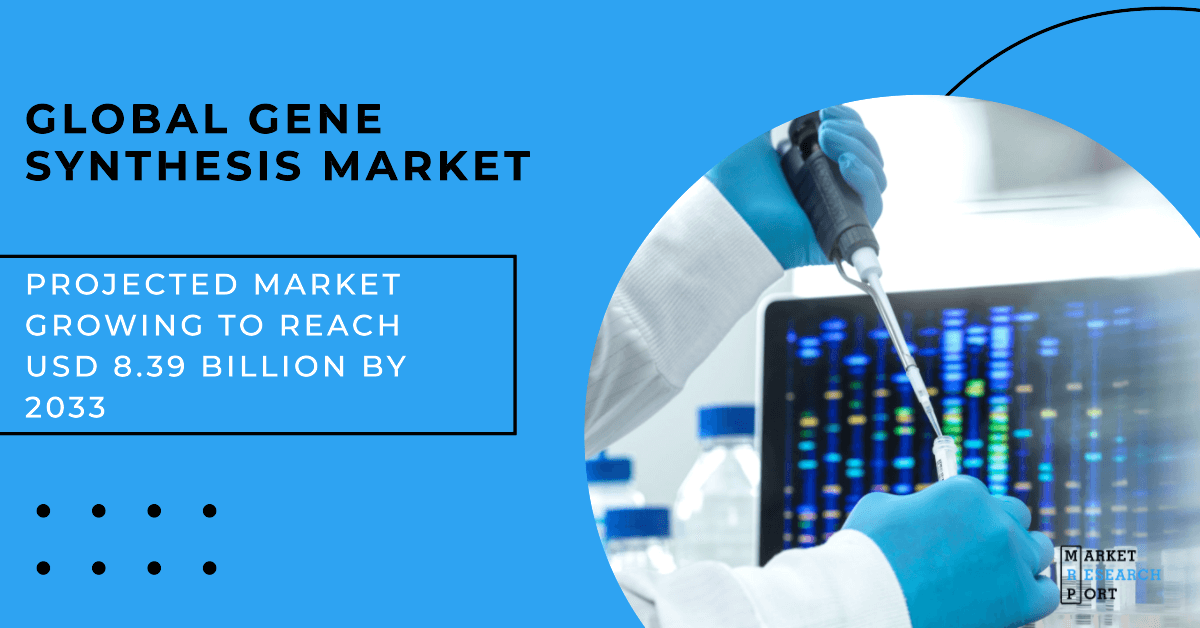
The gene synthesis market is entering a landmark growth phase in 2025, fueled by rising synthetic biology investment, regulatory backing, and cutting-edge technological evolution. Global market estimates show revenues reaching about USD 2.42 billion this year, with projections pointing to a sharp climb toward USD 8.39 billion by 2033, reflecting an annual growth rate of nearly 17 percent.

This momentum underscores how rapidly the research and commercial applications of synthetic genes are transforming modern biotechnology. From personalized therapeutics to advanced vaccine production, gene synthesis is emerging as the foundation of next-generation medical innovation.

AI, Automation, and High-Throughput Systems Redefine Gene Design

Automated synthesis systems and artificial intelligence are advancing faster than ever, reshaping how research teams approach DNA construction. These technologies now enable error-free, high-throughput gene design that reduces project time and cost, making long-sequence assembly more accessible across research disciplines.

New-age DNA synthesis platforms—ranging from chip-based systems to enzymatic assembly—are accelerating custom gene creation and allowing developers to experiment with greater precision. The growing reliance on cloud computation and integrated bioinformatics tools ensures stronger data accuracy, supporting everything from genetic circuit design to molecular assay development.

Service Evolution: Antibody and Viral DNA Segments Take the Lead

Among various services, antibody DNA synthesis continues to be the highest-revenue contributor, accounting for over 60 percent of the total market. These solutions are vital for developing diagnostic antibodies and therapeutic prototypes more efficiently. Meanwhile, the viral DNA synthesis segment is expected to outpace other categories, expanding close to 19.7 percent annually as demand increases for viral constructs supporting vaccine and virology research.

Application Insights: Therapy and Vaccine Research Drive Growth

Gene and cell therapy applications dominate the market landscape, holding more than half of overall revenue share. Academic and government institutions remain key users, often leveraging these tools to push forward genetic and molecular research. In parallel, contract research organizations are steadily gaining traction as outsourcing demand grows across pharmaceutical and biotech industries.

The role of synthetic gene technology in vaccine R&D remains critical—particularly for streamlined production of mRNA, DNA, and next-generation immunization platforms capable of fast adaptation.

Regional Outlook: Innovation and Investment Redefine Market Geography

North America continues to lead the global market, supported by advanced biotech infrastructure, major corporate investments, and sizable R&D activity within the United States. Recently, industry leaders such as GenScript expanded automated synthesis operations to meet rising domestic demand.

Europe follows closely, driven by a strong scientific base and favorable research funding, particularly in the UK and Germany. Asia Pacific, however, is witnessing the most rapid acceleration, posting an estimated CAGR of 18.2 percent. Countries such as China, India, Singapore, and Japan are becoming integral to the region’s biotechnology network, backed by both private and government initiatives aimed at self-sufficiency in synthetic biology.

Emerging markets in the Middle East and parts of Africa are also stepping into the picture, with Saudi Arabia, the UAE, and Kuwait investing in molecular labs and genome-focused programs to build an advanced bioeconomy.

Competitive Landscape: Global Companies Expand Scope and Scale

The market ecosystem blends established industry players with agile new entrants, encouraging innovation and collaboration. Companies including GenScript, Azenta (GENEWIZ), Twist Bioscience, Thermo Fisher Scientific, Integrated DNA Technologies, and ProteoGenix are actively strengthening their positions through partnerships, acquisitions, and next-gen service expansion.

As competition intensifies, focus areas include AI-integrated synthesis, long-DNA construction, customized vector formats, and rapid delivery pipelines aligning with client-specific research needs.

Explore the Full Market Landscape

The gene synthesis industry is at the forefront of scientific transformation, bridging biology, technology, and data analytics. For in-depth insights into market forecasts, detailed segmentation, regional data, and key company analysis, explore the complete 2025 Gene Synthesis Market Overview.

Visit the full report to access detailed statistics, regional forecasts, and expert analysis.

The Transforming Landscape of Life Sciences Consulting Services

The life sciences industry is undergoing rapid transformation, driven by increasing complexity, stringent regulations, the need for faster innovation, and a growing emphasis on digitalization. These factors are driving the demand for pharmaceutical and biotech consulting services, including drug development, regulatory affairs, scientific writing, economic affairs, quality assurance and compliance, real-world evidence (rwe), and pharmacovigilance (pv).

Surging Demand for Advanced Therapies Consulting

The demand for consulting services in advanced therapies is on the rise. Advanced therapies, such as cell and gene therapies and personalized vaccines, require specialized expertise throughout the development, manufacturing, and regulatory processes. Keeping up with the rapidly evolving landscape of advanced therapy medicinal products is essential for successfully developing products and obtaining centralized market authorization (ma) in Europe or a biologic license authorization in the us. The expanding research in cell and gene therapies has led to a robust demand for consulting services, which necessitate experts with specific experience in regulatory strategy, cmc, medical communications, and clinical development.

Product Commercialization/Market Access Key Element for New Drug Success

Product commercialization and market access have become pivotal elements for the success of new drugs. In addition to efficacy and safety, pharmaceutical companies are now required to demonstrate how their new drugs improve patient outcomes, reduce the burden on healthcare systems, and provide value for their cost. Meeting these criteria involves taking a holistic view of patient treatment, providing better real-world evidence, and establishing strong value propositions for decision-makers. The complex regulatory and reimbursement pathways, diverse evidence requirements, and lengthy procedural timelines pose risks to successful market access and launch. As a result, there is a growing demand for market access services, such as health economics and outcomes research (heor), pharmacovigilance (pv), and real-world evidence (rwe) strategy and consulting.

Demand for Technology/IT consulting Services

The pharmaceutical and biotech industry is increasingly seeking technology and IT consulting services to digitize operations, migrate to the cloud, leverage advanced technologies such as artificial intelligence (AI) and machine learning (ML), and modernize existing IT infrastructures.

North America Leads the Life Sciences Consulting Services Market

North America holds a significant market share in global life sciences consulting services revenues. This is primarily attributed to the thriving biopharmaceutical industry, substantial R&D spending in the US, the presence of major pharmaceutical companies like J&J and Pfizer in the region, rapid adoption of digital technologies and IT, stringent FDA regulations, and a strong focus on advanced therapies.

Competitive Landscape Analysis: Life Sciences Consulting Services Market

The global life sciences consulting services market is highly competitive and fragmented. Key players in this market include IQVIA, Parexel, Certara, Huntsworth, PharmaLex, Halloran Consulting, Ashfield, Fishawack, Envision Pharma, Science Group, Indegene, Fingerpaint, Eversana, Lumanity, ClearView, ProPharma, ProductLife Group, Deallus, RTI, Evidera (PPD), Target RWE, OPEN Health, Genesis Research, and QbD Group.

Companies Adopting Inorganic Growth Strategies to Increase Market Share

Companies in the life sciences consulting services market are utilizing inorganic growth strategies to expand their market share. One of these strategies involves adding or expanding services such as RWE, HEOR, PV, medical communications, and analytics. Recent mergers and acquisitions (M&As) reflect this trend, such as TriNetX acquiring Advera Health Analytics in January 2023 and IMC Group acquiring Porterhouse Medical Group in July 2022. Private equity firms are also making investments in this space to capitalize on growth opportunities, as seen with Lumanity (acquired by Arsenal Capital Partners in 2022), Clearview Healthcare Partners (acquired by GHO Capital in 2021), and ProPharma (acquired by Odyssey Investment Partners in 2020).

Global Healthcare Digital Twin Market Shows Robust Growth with Key Players by 2030

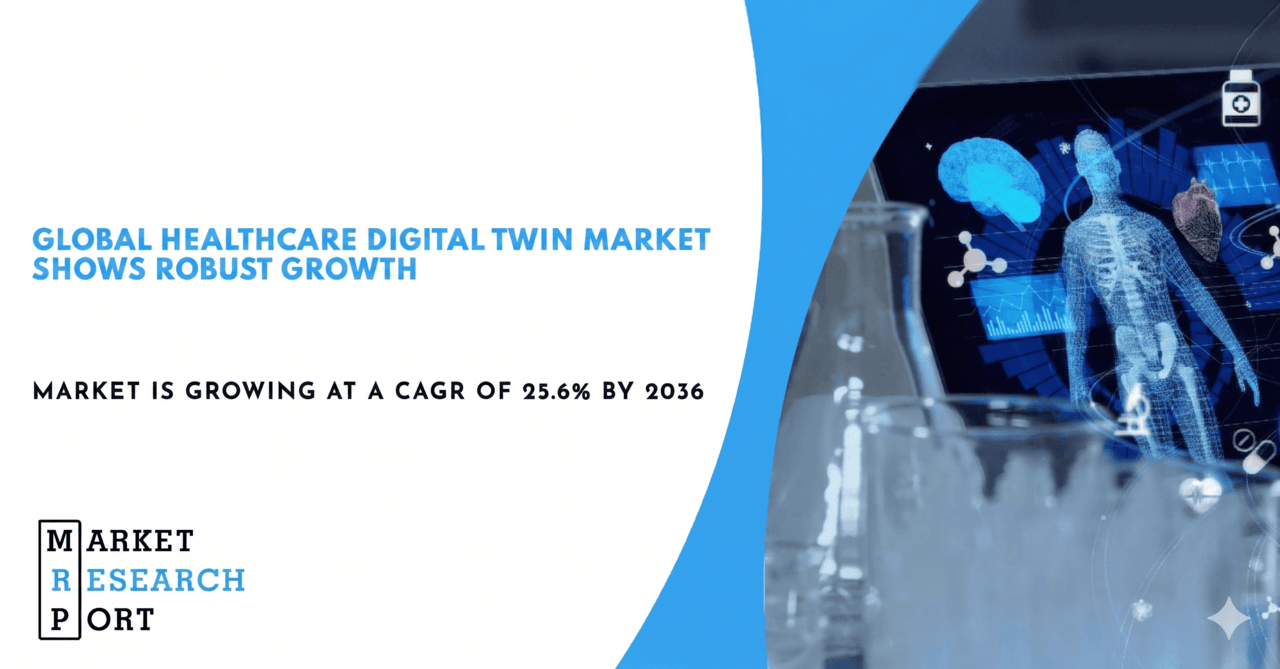
In a report released by Market Research Port, the global healthcare digital twin market is making significant strides, with a valuation of USD 572.4 million in 2022 and an anticipated impressive Compound Annual Growth Rate (CAGR) of 25.6% from 2023 to 2030. This growth is in line with current market trends, underscoring the market’s potential impact on the healthcare industry.

Driving Factors

Several factors are fueling the growth of the global healthcare digital twin market. Among the prominent driving forces are advancements in technology, increasing adoption of digital solutions in healthcare, and a growing emphasis on personalized medicine. The convergence of data analytics, artificial intelligence, and IoT technologies is playing a pivotal role in revolutionizing healthcare practices worldwide.

Key Players in the Market

The market landscape is marked by the presence of key players at the forefront of innovation. Companies such as Atos, Microsoft, Philips Healthcare, PrediSurge, Unlearn AI, QiO Technologies, Verto Healthcare, Dassault Systems (3DS System), ThoughWire, Faststream Technologies, Twin Health, IBM, NVIDIA, GE Healthcare, Nurea, Predictiv, and Virtonomy GmBH are actively contributing to the growth and development of the healthcare digital twin market, influencing its size and share.

Market Segmentation and Forecast

The healthcare digital twin market is segmented into various categories to provide a comprehensive understanding of its dynamics. These segments include:

Product Type Segmentation:

  – Process & System Digital Twin

  – Product Digital Twin

Component Segmentation:

  – Software

  – Services

Application Segmentation:

  – Drug Discovery & Development

  – Asset and Process Management

  – Personalized Medicine

  – Surgical Planning and Medical Education

  – Medical Device Design and Testing

  – Others

End User Segmentation:

  – Clinical Research Organizations (CRO)

  – Hospitals and Clinics

  – Research and Diagnostic Laboratories

  – Medical Device Companies

  – Others

Market trends indicate a surge in the adoption of digital twin technologies, shaping the industry’s landscape. The forecast suggests continued growth, reinforcing the market’s size and share within the global healthcare sector.

Top Performing Regions

The global healthcare digital twin market is witnessing robust performance across various regions. Key regions driving the market’s growth include North America, Europe, Asia-Pacific, and the Middle East and Africa. These regions are witnessing a surge in digital twin adoption due to increased investments in healthcare infrastructure, supportive government initiatives, and the presence of leading technology providers, contributing to the market’s growth and share.

In summary, the global healthcare digital twin market is set for significant growth, propelled by technological advancements and the innovative efforts of key players. The healthcare sector’s ongoing embrace of digital transformation anticipates a crucial role for digital twin technologies in shaping the future of global healthcare practices. The forecast is optimistic, signaling a positive trajectory in market growth, size, and share.

FAQs:

1. What is the digital twin in healthcare?

A digital twin in healthcare refers to a virtual replica or model of a physical healthcare system, process, or individual patient. It utilizes real-time data and simulations to mirror the physical entity, enabling healthcare professionals to monitor, analyze, and optimize various aspects of patient care, treatment plans, and medical equipment.

2. Which pharma companies are using digital twin?

Several pharmaceutical companies have adopted digital twin technology to enhance drug discovery and development processes. Key players in this space include major pharmaceutical corporations like Pfizer, Novartis, Roche, and AstraZeneca, leveraging digital twins for improved efficiency, personalized medicine approaches, and accelerated drug development.

3. What is the size of the Healthcare Digital Twin Market?

The global healthcare digital twin market valued at USD 572.4 million in 2022, is estimated to grow at a healthy CAGR of 25.6% from 2023 to 2030. It is predicted to reach USD 3.3 billion by 2030.

4. How big is the digital twin market in 2030?

The Healthcare Digital Twin Market is expected to experience significant expansion by 2030. Although precise figures for the entire market size in 2030 may vary, the projected Compound Annual Growth Rate (CAGR) of 25.6% from 2023 to 2030 suggests substantial market growth, with the market size reaching new heights during this period. It is predicted to reach USD 3.3 billion by 2030.

5. Which region holds more share in the Healthcare Digital Twin Market?

The top-performing regions contributing significantly to the Healthcare Digital Twin Market are North America, Europe, Asia-Pacific, and the Middle East and Africa. North America, in particular, is a key player due to increased investments in healthcare infrastructure, supportive government initiatives, and the presence of leading technology providers. However, each region plays a crucial role in the market’s growth and share, contributing to the global landscape of healthcare digital twin adoption.