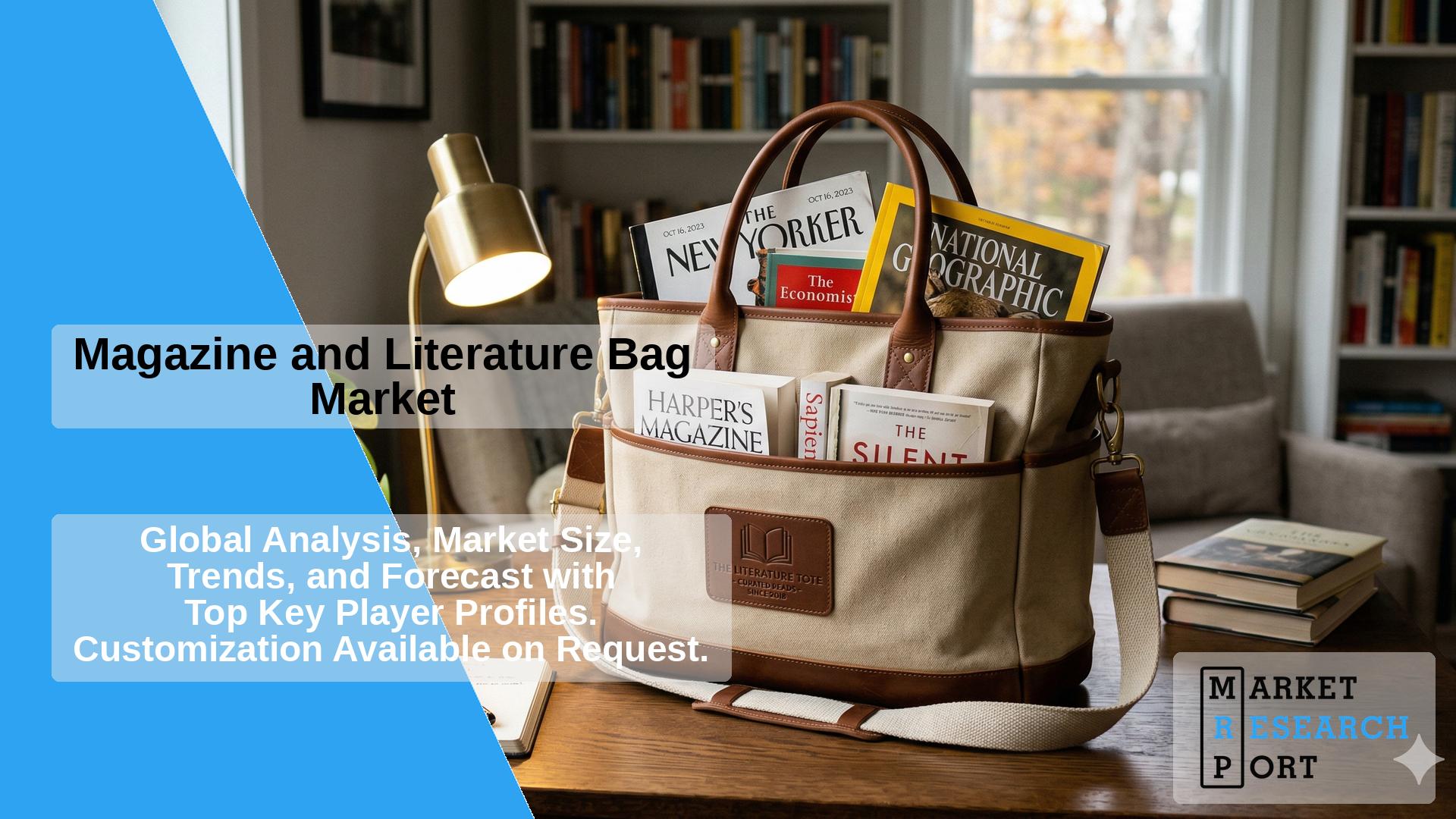
The global magazine and literature bag market was valued at approximately USD 1,245.8 million in 2026 and is anticipated to grow to USD 2,150.4 million by 2036, exhibiting a compound annual growth rate (CAGR) of 5.6% during the forecast period. This market expansion is primarily driven by the sustained demand for high-quality print media protection, the growth of direct mail marketing strategies, and the increasing adoption of sustainable packaging solutions in the publishing and retail sectors.
The global landscape for magazine and literature bags is undergoing a significant transformation. Historically dominated by traditional low-density polyethylene (LDPE) materials, the industry is now pivoting toward eco-friendly alternatives. This shift is necessitated by both consumer sentiment and legislative mandates aimed at reducing single-use plastic waste. Publishers and distributors are increasingly seeking packaging that not only protects printed materials from moisture, dust, and mechanical damage during transit but also aligns with corporate social responsibility goals. The rise of high-end, luxury catalogs and niche independent magazines has further spurred demand for premium packaging that enhances the unboxing experience for subscribers.
However, the market faces challenges related to the digital transition of media. As more consumers migrate toward digital subscriptions, the volume of physical magazines and catalogs in certain demographics has seen a decline. Despite this, the effectiveness of physical mail as a marketing tool remains high, particularly in the luxury goods, real estate, and educational sectors. To counter the digital threat, manufacturers are innovating with multifunctional bags that offer features such as resealability, high-clarity transparency, and integrated handles, making the physical product more attractive and convenient for the end-user.
The magazine and literature bag market is characterized by a mix of large-scale packaging conglomerates and specialized regional players. Large companies leverage their extensive distribution networks and advanced manufacturing capabilities to provide cost-effective solutions for high-volume publishers. Meanwhile, smaller players often focus on niche markets, such as custom-printed bags for independent bookstores or eco-certified bags for environmental organizations. The market is moderately consolidated, with the top ten players accounting for a substantial portion of the global revenue. Innovation in material science, particularly in the development of compostable films and recycled-content plastics, is a key differentiator in this competitive environment.
Market characteristics also include a strong emphasis on customization. Brands are increasingly using literature bags as a secondary marketing surface, utilizing high-quality flexographic and digital printing to display logos, promotional messages, and QR codes. This trend has turned a simple protective sleeve into a vital component of the brand identity. Furthermore, the integration of security features, such as tamper-evident seals, is becoming standard for the delivery of sensitive or high-value documents and educational materials.
The plastic segment, specifically LDPE and HDPE, accounted for the largest revenue share in 2026. Plastic remains the preferred choice due to its superior moisture resistance, durability, and cost-efficiency. High-clarity polypropylene is also widely used for retail displays where visibility of the magazine cover is crucial. However, the traditional plastic segment is facing pressure to evolve. Manufacturers are now incorporating post-consumer recycled (PCR) resins into their production lines to reduce the carbon footprint of their products without compromising on the protective qualities that plastic offers.
The paper and bio-based segment is expected to grow at the fastest CAGR during the forecast period. Paper-based literature bags, often treated with water-resistant coatings, are gaining traction in European and North American markets where plastic bans are more prevalent. Additionally, the development of bioplastics derived from corn starch or sugarcane provides a middle ground, offering the performance of plastic with the benefit of being industrially compostable. This segment is particularly popular among high-end lifestyle magazines and eco-conscious brands that want to maintain a premium feel while adhering to sustainability standards.
The subscription and mail-order segment led the market in 2026. This is driven by the logistical requirements of national and international magazine distribution. Bags used in this segment must be compatible with high-speed automated insertion machinery and meet postal service requirements for thickness and friction. The durability of the bag is paramount here, as it must withstand the rigors of the postal system, including sorting machines and varying weather conditions. The growth of specialized subscription boxes, which often include literature or catalogs, has also contributed to the steady demand in this category.
The retail and promotional segment is another significant contributor to market growth. In retail environments, literature bags are used to bundle magazines with promotional gifts or to provide a convenient carrying solution for customers. Promotional bags used at trade shows, conferences, and educational fairs represent a high-volume, seasonal demand. These bags are typically designed with handles and vibrant graphics to maximize brand exposure as attendees carry them throughout the event venue. The shift toward reusable fabric bags (such as non-woven polypropylene or cotton) in the promotional sector is a notable trend, as these items offer a longer lifecycle and repeated brand impressions.
North America dominated the global magazine and literature bag market in 2026. The United States, in particular, has a highly developed direct mail industry and a large number of active magazine titles. The presence of major publishing houses and a sophisticated logistics infrastructure supports the high volume of literature bag consumption. Furthermore, the U.S. market is seeing a surge in the use of recycled-content packaging as major retailers and publishers commit to sustainability pledges. The Canadian market also shows steady growth, driven by the educational and government sectors.
The Asia Pacific region is projected to be the fastest-growing market through 2036. This growth is fueled by the rapid expansion of the middle class in China and India, leading to higher consumption of printed media and educational materials. The booming e-commerce sector in this region also utilizes literature bags for the delivery of catalogs and promotional flyers included in parcels. Additionally, the presence of numerous manufacturing hubs in the region allows for competitive pricing and easy access to raw materials, making Asia Pacific a critical hub for both production and consumption.
Europe maintains a strong market position, characterized by the most stringent environmental regulations in the world. Countries like Germany, France, and the UK are at the forefront of the transition to plastic-free or fully recyclable packaging. This has led to high innovation in the paper and bio-based bag sectors. The European market is also seeing a trend toward ‘right-sizing’ packaging to minimize waste, with publishers opting for custom-fit bags that reduce the amount of material used per unit.
The following are the leading companies in the magazine and literature bag market. These organizations are recognized for their innovation, production capacity, and global reach:
Companies like PolyPak Packaging and International Plastics are focusing on expanding their ‘green’ product lines, offering bags made from 100% recycled materials. Uline continues to dominate the North American distribution space by offering a vast array of stock sizes with next-day delivery capabilities, catering to small and medium-sized publishers. Meanwhile, global leaders like Amcor and Mondi are investing heavily in R&D to create high-barrier paper solutions that can effectively replace plastic in the magazine mailing industry.
This report provides a detailed analysis of the market based on the following segments:
Material Outlook (Revenue, USD Million, 2026 – 2036)
Product Type Outlook (Revenue, USD Million, 2026 – 2036)
End-Use Outlook (Revenue, USD Million, 2026 – 2036)
Region Outlook (Revenue, USD Million, 2026 – 2036)
1. What is the projected size of the magazine and literature bag market by 2036?
The market is expected to reach approximately USD 2,150.4 million by 2036, growing from USD 1,245.8 million in 2026.
2. What is the expected CAGR for this market?
The market is anticipated to grow at a compound annual growth rate (CAGR) of 5.6% between 2026 and 2036.
3. Which material is currently dominating the market?
Plastic materials, particularly LDPE, currently hold the largest market share due to their protective properties and low cost, though bio-based materials are growing the fastest.
4. Which region is the fastest-growing for magazine and literature bags?
The Asia Pacific region is the fastest-growing market, driven by increasing literacy, urbanization, and a burgeoning retail sector.
5. How is sustainability impacting the market?
Sustainability is a major driver, leading to the development of compostable films, recycled-content plastics, and water-resistant paper alternatives to traditional single-use plastics.
6. Are digital magazines reducing the demand for these bags?
While digital media has reduced volumes in some sectors, the growth of high-end print catalogs, niche magazines, and educational materials continues to sustain demand.
7. What are the key features of a high-quality literature bag?
Key features include moisture resistance, high clarity for visibility, tear resistance, and compatibility with automated mailing systems.
8. Who are the major players in this industry?
Key players include PolyPak Packaging, International Plastics, Uline, Amcor, Mondi, and Berry Global, among others.
9. Can these bags be customized for branding?
Yes, customization is a significant trend, with many manufacturers offering high-quality printing for logos, advertisements, and personalized subscriber information.
10. What role does the educational sector play in this market?
The educational sector is a major end-user, requiring durable bags for the distribution of textbooks, examination papers, and promotional university literature.