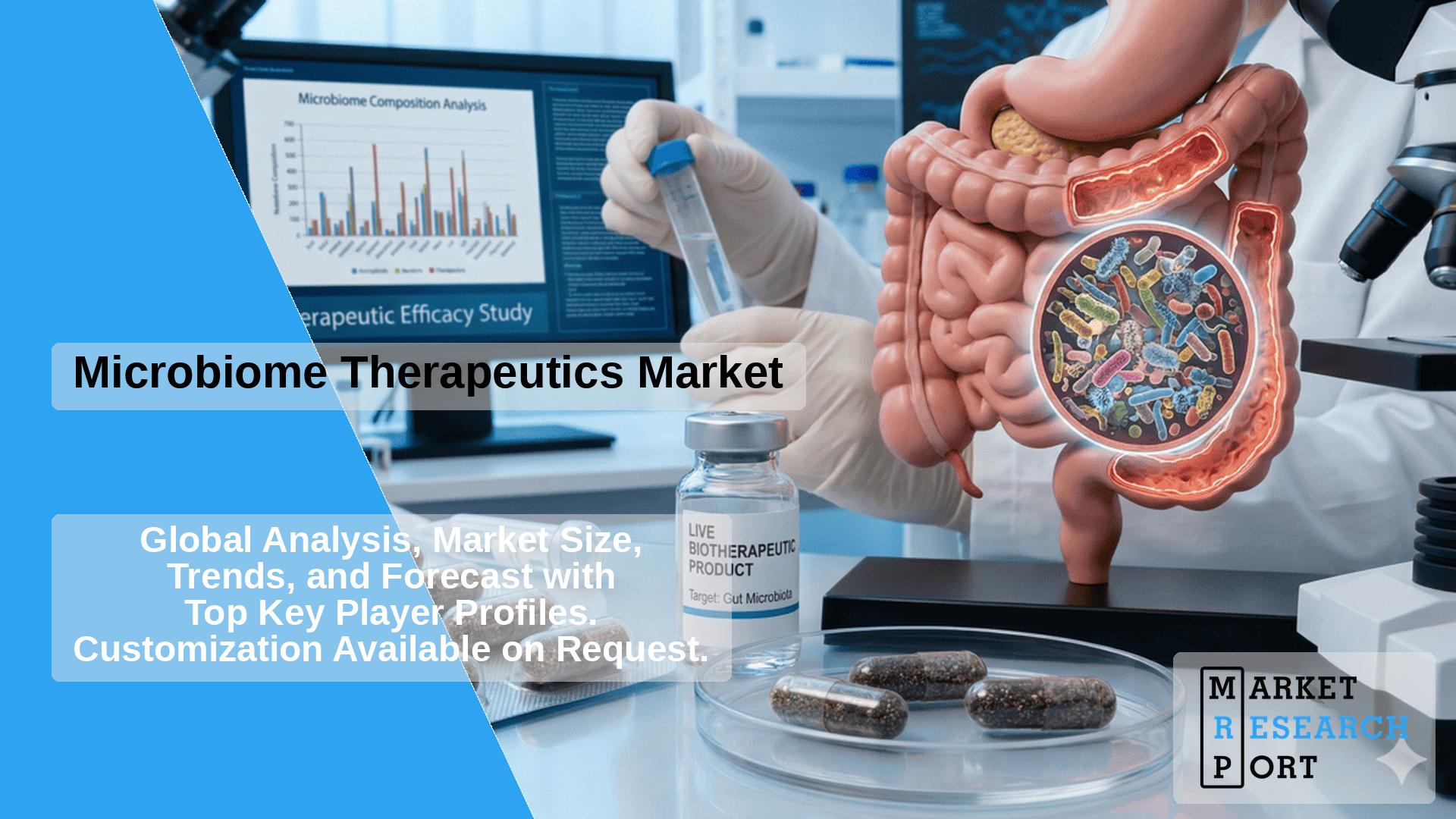
The Microbiome Therapeutics Market is entering a pivotal phase of commercialization and clinical validation as we approach the 2026-2035 forecast period. Historically viewed as an experimental field, the transition toward Live Biotherapeutic Products (LBPs) and standardized Fecal Microbiota Transplantation (FMT) derivatives has solidified the market’s foundation. By the base year of 2026, the industry is expected to have moved beyond early-stage hurdles, with multiple FDA and EMA-approved products addressing unmet needs in Clostridioides difficile infection (CDI), Inflammatory Bowel Disease (IBD), and even oncology. The market is characterized by a shift from broad-spectrum microbial approaches to precision-engineered consortia and genetically modified bacteria. Strategic collaborations between biotech startups and large pharmaceutical entities are accelerating, driven by the increasing understanding of the gut-brain axis and the role of the microbiome in systemic immunity. This report provides a granular analysis of the market trajectory, highlighting a robust CAGR that reflects the growing confidence of clinicians and investors in microbiome-based interventions. The forecast period 2026-2035 will witness the expansion of these therapies into metabolic disorders, dermatology, and neurology, marking a new era of personalized medicine.
Microbiome therapeutics refer to a class of medicinal products that utilize the human microbiota—the trillions of microorganisms living in and on the human body—to treat, prevent, or cure diseases. Unlike traditional small molecules or biologics that target specific human proteins, these therapies aim to restore ecological balance or introduce specific metabolic functions via beneficial microbes. The primary categories include Live Biotherapeutic Products (LBPs), which are biological products that contain live organisms, such as bacteria; Fecal Microbiota Transplantation (FMT), involving the transfer of microbial communities from healthy donors; and Prebiotics/Postbiotics used as pharmaceutical-grade interventions. The market also encompasses Small Molecule Inhibitors that target microbial enzymes and Bacteriophages designed to eliminate pathogenic strains without disrupting the commensal flora. The following table outlines the core market metrics for the forecast period.
| Metric | Details (Base Year 2026) | Forecast Projection (2035) |
|---|---|---|
| Market Valuation | USD 1.85 Billion | USD 6.42 Billion |
| CAGR (2026-2035) | 14.8% | N/A |
| Dominant Segment | Infectious Diseases (CDI) | Oncology & Metabolic Disorders |
| Leading Region | North America | Asia-Pacific (Highest Growth) |
The definition of this market also extends to the manufacturing and supply chain infrastructure required to produce anaerobic bacteria at scale, which remains a significant barrier to entry and a key differentiator for established players. As regulatory frameworks like the FDA’s CBER guidelines become more refined, the clarity in clinical trial design is expected to drive higher success rates for late-stage assets.
The dynamics of the Microbiome Therapeutics Market are shaped by a complex interplay of scientific breakthroughs, regulatory shifts, and patient demographics.
Drivers: One of the primary catalysts is the global rise in antibiotic resistance. As traditional antibiotics lose efficacy, microbiome-based therapies offer a restorative alternative that minimizes collateral damage to the host’s natural defenses. Furthermore, the increasing prevalence of autoimmune and inflammatory diseases—often linked to ‘dysbiosis’—is creating a massive patient pool. The success of early movers like Seres Therapeutics and Ferring Pharmaceuticals has provided a proof-of-concept that has de-risked the sector for venture capital and institutional investors.
Restraints: Despite the optimism, the market faces significant hurdles. The complexity of the human microbiome varies significantly across individuals, making ‘one-size-fits-all’ therapies difficult to develop. Regulatory bodies still struggle with the standardization of FMT-based products, particularly regarding donor screening and long-term safety profiles. Additionally, the high cost of specialized manufacturing (e.g., lyophilization of anaerobic strains) keeps the price point of these therapies high.
Opportunities: The integration of Artificial Intelligence (AI) in strain selection and microbial consortia design represents a massive opportunity. AI can analyze vast metagenomic datasets to predict how specific microbial combinations will interact with the host immune system. Moreover, the Oncology sector is a burgeoning frontier; researchers are finding that the gut microbiome significantly influences the efficacy of Immune Checkpoint Inhibitors (ICIs). Developing ‘adjuvant’ microbiome therapies to improve cancer treatment outcomes is a high-reward area for the 2026-2035 period.
Macro Factors: Aging populations in developed nations and the shift toward Western diets in emerging economies are altering the global microbial landscape, necessitating localized therapeutic approaches. Government funding for the Human Microbiome Project and similar initiatives continues to provide the foundational data needed for commercial R&D.
The Microbiome Therapeutics Market is segmented by product type, therapeutic area, and distribution channel, each showing distinct growth patterns.
The global distribution of the Microbiome Therapeutics Market reveals significant disparities in R&D investment and regulatory maturity. North America: This region currently dominates the market, accounting for over 45% of the global share. The presence of major biotech hubs in Boston and San Francisco, coupled with favorable FDA designations (such as Fast Track and Breakthrough Therapy), has accelerated product development. High healthcare expenditure and a robust insurance reimbursement framework further support market growth. Europe: Europe follows closely, with countries like France, Germany, and the UK leading in microbial research. The European Medicines Agency (EMA) has been proactive in establishing guidelines for ‘Advanced Therapy Medicinal Products,’ which includes certain microbiome interventions. The presence of established giants like Ferring and Enterome provides a strong competitive edge. Asia-Pacific: This is the fastest-growing region for the 2026-2035 period. Increasing healthcare infrastructure in China and India, combined with a massive patient population suffering from GI disorders, is attracting global players. Furthermore, the rise of medical tourism and increasing awareness of gut health in Japan and South Korea are driving demand. LAMEA: The market in Latin America and the Middle East is in its nascent stages but shows potential in the treatment of infectious diseases and malnutrition-related microbiome issues. Growth here is contingent on improvements in cold-chain logistics and regulatory harmonization.
The competitive environment is characterized by a mix of specialized microbiome biotechs and large pharmaceutical companies seeking to diversify their portfolios. The market is moving toward a consolidation phase, where larger entities acquire successful startups to gain access to proprietary microbial libraries and manufacturing platforms. Key strategies include strategic licensing and co-development agreements. The following table compares the top players in the market.
| Company | Key Product/Platform | Primary Focus Area | Market Position |
|---|---|---|---|
| Seres Therapeutics | VOWST (SER-109) | Recurrent CDI | Market Leader (First FDA-approved oral LBP) |
| Ferring Pharmaceuticals | REBYOTA | Infectious Disease | Pioneer in FMT-based standardized therapy |
| Vedanta Biosciences | VE303 / VE202 | IBD & Multi-drug resistant organisms | Leader in defined bacterial consortia |
| 4D Pharma | MicroRx Platform | Oncology & CNS | Focus on ‘Single Strain’ Biotherapeutics |
| Enterome | OncoMimics | Cancer Immunotherapy | Innovative approach using microbial peptides |
As we move toward 2035, the differentiation will stem from intellectual property surrounding specific bacterial strains and the ability to demonstrate long-term colonization and clinical efficacy in chronic indications.
Q1: What is the projected CAGR for the Microbiome Therapeutics Market from 2026 to 2035?
A: The market is expected to grow at a CAGR of 14.8%, driven by the expansion of therapeutic indications beyond infectious diseases into oncology and metabolic health.
Q2: Which therapeutic area will see the most significant growth?
A: While Infectious Diseases currently lead, Oncology is projected to be the fastest-growing segment due to the synergistic potential of microbiome therapies with existing immunotherapies.
Q3: What are the main challenges in manufacturing microbiome drugs?
A: The primary challenges include maintaining the viability of anaerobic bacteria, ensuring batch-to-batch consistency in complex consortia, and the high costs associated with specialized lyophilization and encapsulation technologies.
Q4: How does the regulatory landscape look for these therapies?
A: The regulatory environment is becoming more structured, with the FDA and EMA providing specific guidance for Live Biotherapeutic Products (LBPs). However, standardization of donor-derived products remains a point of intense regulatory scrutiny.
Q5: Are microbiome therapeutics considered ‘Personalized Medicine’?
A: Yes, increasingly so. Future developments aim to use diagnostic microbiome profiling to tailor specific microbial consortia to an individual’s unique dysbiotic state, particularly in the treatment of IBD and obesity.