The global cold chain packaging market size was valued at USD 28,540.0 million in 2024 and is projected to reach USD 34,210.5 million in 2026. Looking further ahead, the market is expected to achieve a valuation of USD 85,640.2 million by 2036, expanding at a compound annual growth rate (CAGR) of 9.6% from 2026 to 2036. This robust expansion is primarily attributed to the escalating demand for temperature-sensitive healthcare products, the rapid globalization of the food supply chain, and significant advancements in thermal insulation technologies. The necessity for maintaining the integrity of biologics, vaccines, and specialty pharmaceutical products has made cold chain packaging an indispensable component of modern logistics. Furthermore, the surge in e-commerce for perishable goods and the increasing stringency of international regulations regarding food safety and pharmaceutical handling are providing substantial tailwinds for market participants.
The global landscape for cold chain packaging is undergoing a transformative phase, characterized by the integration of smart technologies and a heightened emphasis on environmental stewardship. The proliferation of temperature-controlled logistics is no longer limited to high-value pharmaceuticals but has expanded into the broader consumer goods sector, including premium dairy, meat, and seafood products. This shift is supported by the development of high-performance phase change materials (PCM) and vacuum insulated panels (VIP), which offer superior thermal protection compared to conventional materials. Additionally, the rise of the ‘last-mile’ delivery challenge in urban centers has spurred innovation in small-scale, highly efficient insulated shippers designed for rapid transit.
However, the industry faces several structural challenges, including the high cost of advanced packaging materials and the complexity of managing a global reverse logistics network for reusable systems. The initial investment required for active packaging solutions, which utilize mechanical systems for temperature control, remains a barrier for smaller logistics providers. Furthermore, the volatility in raw material prices, particularly for petroleum-based plastics and specialized chemicals used in refrigerants, can impact the profit margins of packaging manufacturers. Despite these hurdles, the ongoing digital transformation, involving the use of IoT-enabled sensors for real-time temperature monitoring, is enhancing the reliability of cold chain systems and reducing the risk of product spoilage.
Substantial opportunities are emerging in the development of hybrid packaging systems that combine the benefits of passive insulation with active monitoring capabilities. As governments across the globe implement stricter Good Distribution Practices (GDP), the demand for certified and validated packaging solutions is expected to soar. The expansion of the biopharmaceutical pipeline, which includes a high proportion of temperature-sensitive molecules, ensures a steady demand for specialized cold chain solutions. Moreover, the move toward a circular economy is encouraging the adoption of ‘Packaging as a Service’ models, where containers are leased, tracked, and refurbished, thereby reducing waste and lowering the total cost of ownership for end-users.
The global cold chain packaging market is characterized by a moderate level of concentration, with several established players holding significant market shares alongside a growing number of specialized niche providers. Leading companies such as Sonoco Products Company, Pelican BioThermal, and Cold Chain Technologies dominate the landscape through extensive R&D investments and global distribution networks. These industry leaders often engage in strategic acquisitions to broaden their product portfolios and enter new geographic markets. The competitive environment is also shaped by the presence of large logistics firms like DHL and FedEx, which are increasingly developing their own proprietary packaging solutions to offer integrated end-to-end cold chain services.
Innovation in material science is a defining characteristic of this market. Manufacturers are increasingly moving away from single-use plastics in favor of sustainable alternatives like cellulose-based insulation and starch-based foams. The market is also seeing a rise in the adoption of ‘smart’ packaging, which incorporates RFID tags and Bluetooth sensors to provide stakeholders with granular data on the environmental conditions of the cargo throughout its journey. This data-driven approach not only ensures compliance with regulatory standards but also allows for proactive intervention in the event of a temperature excursion, thereby safeguarding high-value shipments.
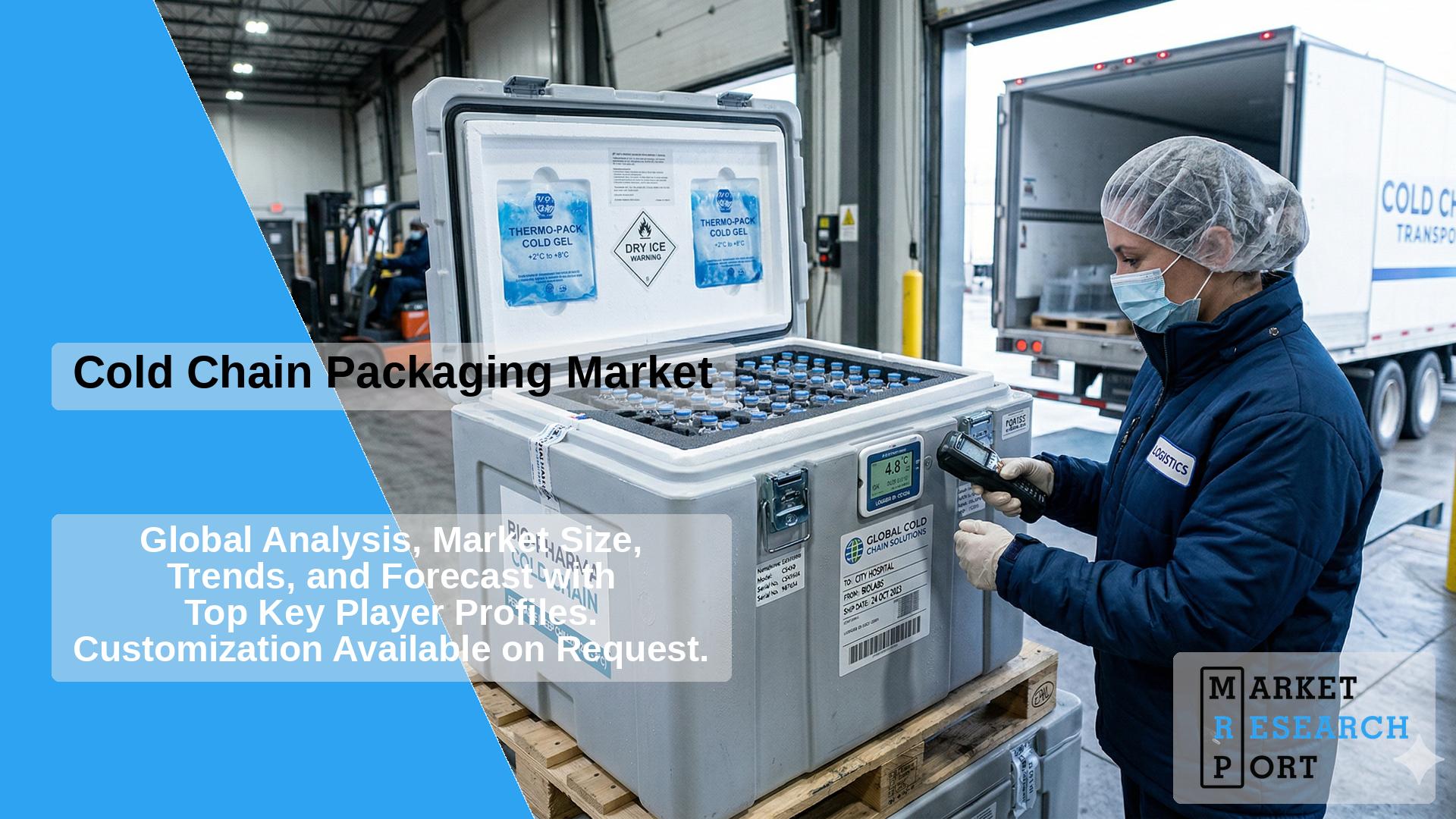
The insulated containers segment accounted for the largest revenue share in the base year and is expected to maintain its dominance through 2036. These containers, ranging from large-scale pallet shippers to small handheld boxes, are the backbone of temperature-controlled logistics. The demand for high-performance vacuum insulated panels (VIP) is particularly strong within this segment, as they provide exceptional thermal resistance with minimal thickness, allowing for more payload space. The shift toward reusable container systems is also a major trend, driven by both cost-efficiency over multiple trips and the need to meet corporate sustainability targets.
The refrigerants segment, which includes gel packs, bricks, and phase change materials (PCM), is projected to grow at a significant CAGR. PCMs are gaining traction due to their ability to maintain precise temperature ranges (such as 2-8 degrees Celsius or sub-zero levels) for extended durations. Unlike traditional ice packs, PCMs can be engineered to freeze and melt at specific temperatures, providing a more stable thermal environment. This is critical for the transportation of advanced therapies and clinical trial materials. Additionally, the development of non-toxic and biodegradable refrigerants is addressing environmental concerns associated with traditional chemical-based cooling agents.
The pharmaceutical segment is the primary driver of the cold chain packaging market. The increasing complexity of the global drug supply chain, coupled with the rise of biologics and biosimilars, has created a need for highly reliable packaging solutions. Clinical trials, in particular, require specialized packaging that can withstand rigorous transit conditions while maintaining strict temperature control. The growth of the cell and gene therapy market is further pushing the boundaries of cold chain packaging, often requiring ultra-low temperature or cryogenic storage solutions using liquid nitrogen or specialized dry ice shippers.
The food and beverage segment also represents a substantial portion of the market. The globalization of food preferences and the expansion of the cold chain in developing regions have led to increased demand for insulated packaging for fresh produce, seafood, and meat. The rise of meal kit delivery services and online grocery shopping has created a specific niche for lightweight, cost-effective, and disposable insulated liners and boxes. In this segment, the focus is often on balancing thermal performance with cost, as the margins for food products are typically lower than those for pharmaceuticals. Innovations in bio-based foams and recyclable liners are particularly prevalent in the food sector.
North America remains a powerhouse in the cold chain packaging market. The region’s dominance is supported by a highly developed healthcare system, a large number of pharmaceutical manufacturing hubs, and stringent regulatory frameworks enforced by the FDA. The United States, in particular, is a leader in the adoption of advanced thermal packaging technologies. The presence of major industry players and a strong focus on R&D contribute to the continuous evolution of the market. Furthermore, the increasing prevalence of chronic diseases and the subsequent demand for specialty drugs are sustaining the growth of temperature-controlled logistics in the region.
Europe follows closely, with countries like Germany, France, and the UK serving as major nodes in the global pharmaceutical trade. The European market is heavily influenced by the European Medicines Agency (EMA) guidelines and a strong regional commitment to environmental sustainability. This has led to a high adoption rate of reusable packaging systems and a move away from fluorinated gases in refrigerant production. Germany, with its robust engineering and chemical industries, is a key center for the development of high-performance insulation materials and smart packaging solutions.
The Asia Pacific region is expected to experience the highest growth rate during the forecast period. This is driven by the rapid expansion of the middle class, increasing healthcare access, and the modernization of the food retail sector in countries like China and India. The regional government initiatives to improve healthcare infrastructure and the growing presence of contract manufacturing organizations (CMOs) are creating significant demand for cold chain packaging. Additionally, the rise of e-commerce in Southeast Asia is fueling the need for efficient last-mile cold chain solutions for food and grocery delivery.
Latin America and the Middle East & Africa are emerging as promising markets. In Latin America, Brazil and Mexico are the key contributors, with growing pharmaceutical exports and a large agricultural sector. In the Middle East, the focus is on developing advanced logistics hubs to serve as gateways between East and West, with significant investments in temperature-controlled warehousing and transport. Africa’s market growth is tied to the increasing efforts to improve vaccine distribution and the expansion of the pharmaceutical supply chain across the continent.
The following are the leading companies in the cold chain packaging market. These organizations are at the forefront of innovation, sustainability, and global expansion.
Sonoco Products Company is a global leader in diversified packaging, offering a wide range of temperature-assured solutions through its Sonoco ThermoSafe brand. The company focuses on providing validated packaging for the life sciences and healthcare industries, emphasizing reliability and regulatory compliance. Their portfolio includes both passive and active systems, as well as advanced data logging services to ensure product integrity throughout the supply chain.
Pelican BioThermal LLC specializes in providing high-performance thermal packaging for the pharmaceutical industry. Their products are known for their durability and superior insulation properties, often utilizing advanced phase change materials. The company has a strong global presence and offers a comprehensive range of reusable and single-use shippers, supported by a global network of service centers for the refurbishment and redistribution of their reusable systems.
Cold Chain Technologies, LLC is a prominent provider of thermal packaging solutions, focusing on innovation and customized engineering. They offer a variety of products, from insulated containers to specialized refrigerants, designed to meet the specific needs of their clients. The company invests heavily in thermal modeling and testing to ensure that their packaging solutions can withstand the most challenging transit environments.
| Report Attribute | Details |
| Market size value in 2026 | USD 34,210.5 million |
| Revenue forecast in 2036 | USD 85,640.2 million |
| Growth rate | CAGR of 9.6% from 2026 to 2036 |
| Base year for estimation | 2024 |
| Historical data | 2019 – 2023 |
| Forecast period | 2026 – 2036 |
| Quantitative units | Revenue in USD million and CAGR from 2026 to 2036 |
| Report coverage | Revenue forecast, competitive landscape, growth factors, and trends |
| Segments covered | Product, Application, Region |
| Regional scope | North America; Europe; Asia Pacific; Latin America; Middle East & Africa |
| Country scope | U.S.; Canada; Mexico; Germany; UK; France; Italy; Spain; China; India; Japan; South Korea; Brazil; Argentina; Saudi Arabia; South Africa |
This report forecasts revenue growth at global, regional, and country levels and provides an analysis of the latest industry trends in each of the sub-segments from 2026 to 2036.
Product Outlook (Revenue, USD Million, 2026 – 2036)
Application Outlook (Revenue, USD Million, 2026 – 2036)
Region Outlook (Revenue, USD Million, 2026 – 2036)
How big is the cold chain packaging market?
The global cold chain packaging market was estimated at USD 28,540.0 million in 2024 and is expected to reach USD 34,210.5 million in 2026.
What is the projected growth rate of the cold chain packaging market?
The market is expected to grow at a compound annual growth rate (CAGR) of 9.6% from 2026 to 2036, reaching a total valuation of USD 85,640.2 million.
Which region dominates the cold chain packaging market?
North America currently holds the largest market share due to its advanced pharmaceutical infrastructure and strict regulatory environment. However, Asia Pacific is the fastest-growing region.
What are the primary drivers of the cold chain packaging market?
Key drivers include the rising demand for biologics and vaccines, the expansion of the global food trade, and the increasing need for sustainable and smart packaging solutions.
What is the difference between active and passive cold chain packaging?
Passive packaging relies on insulation and refrigerants (like gel packs) to maintain temperature, while active packaging uses mechanical or electric systems to actively control the internal climate.
Why is the pharmaceutical segment growing so rapidly?
The growth is driven by the rise of temperature-sensitive drugs, such as mRNA vaccines and cell therapies, which require precise and often ultra-low temperature control during transit.
What are Phase Change Materials (PCM)?
PCMs are substances that absorb or release thermal energy during the process of melting or freezing, allowing them to maintain a constant temperature for long periods, which is ideal for cold chain logistics.
How is sustainability affecting the market?
Sustainability is leading to the development of biodegradable insulation, recyclable refrigerants, and the adoption of reusable container systems to reduce waste and carbon emissions.
What role does IoT play in cold chain packaging?
IoT sensors provide real-time monitoring of temperature, humidity, and location, allowing for better visibility and the ability to intervene if conditions deviate from the required range.
Who are the major players in this industry?
Key players include Sonoco Products Company, Pelican BioThermal, Cold Chain Technologies, Cryopak, and va-Q-tec, among others.